
Licensed electricians in Lewisville, TX
Standby Generator Installation in Lewisville, TX
A standby generator starts on its own within seconds of a power outage and keeps your home running until the grid comes back. We install whole home and partial home standby generators in Lewisville, including the automatic transfer switch, wiring, permit and startup testing.
Call Now (555) 555-0100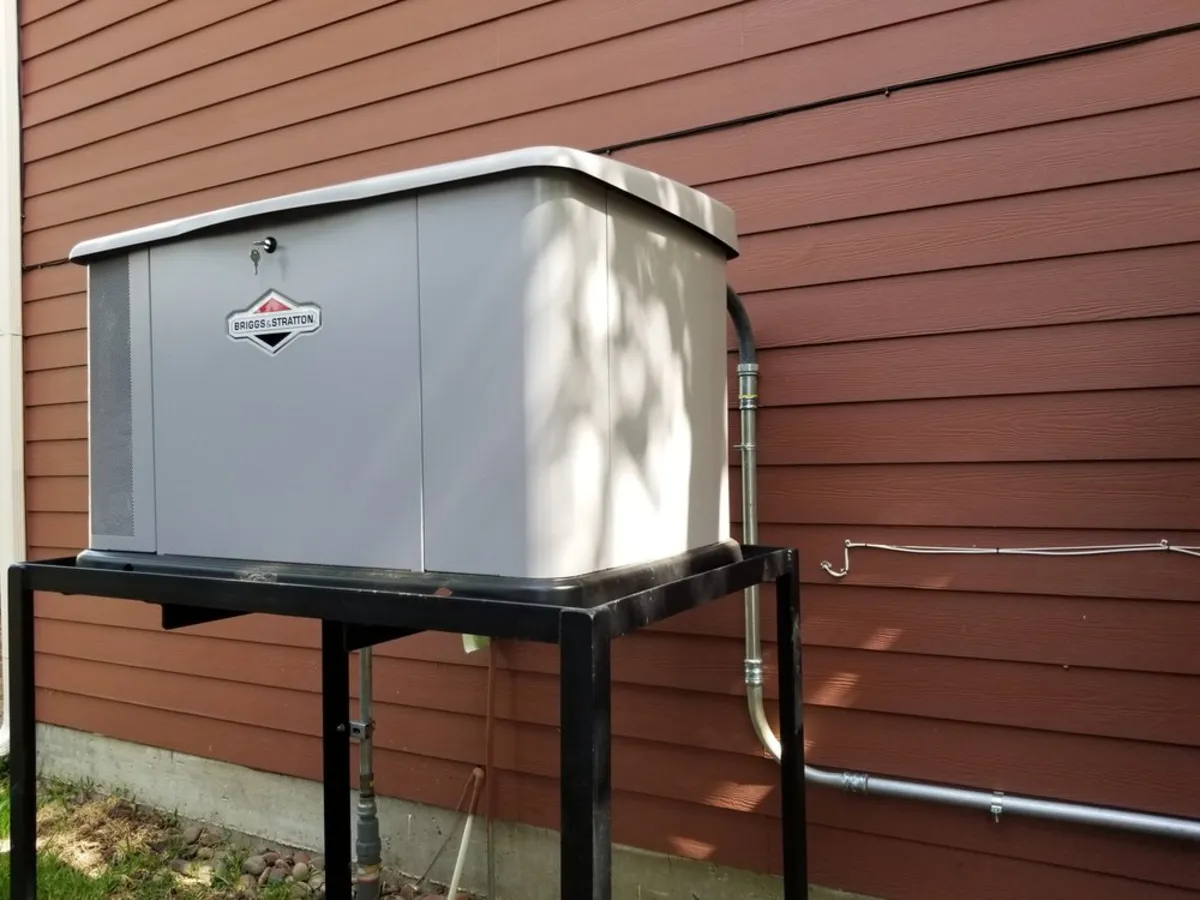
OUR WORK
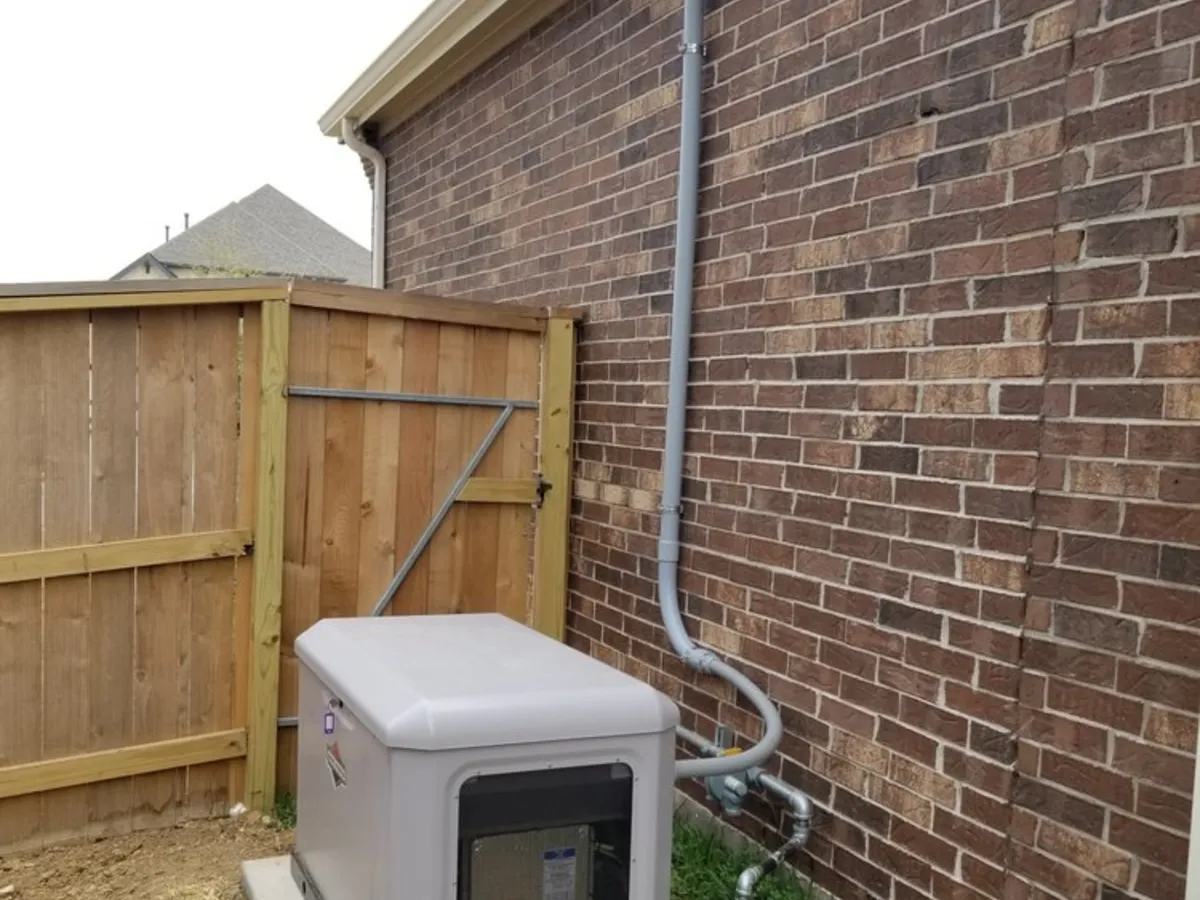
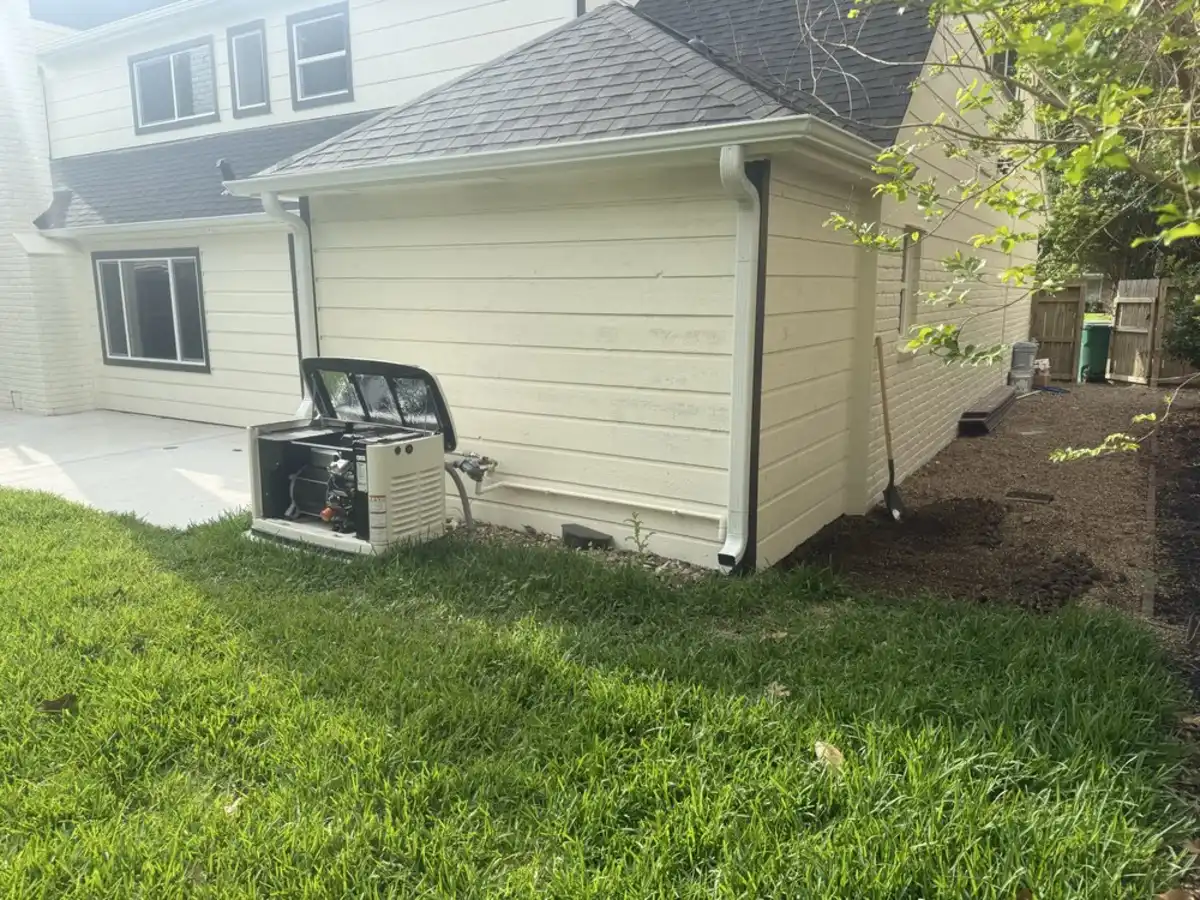
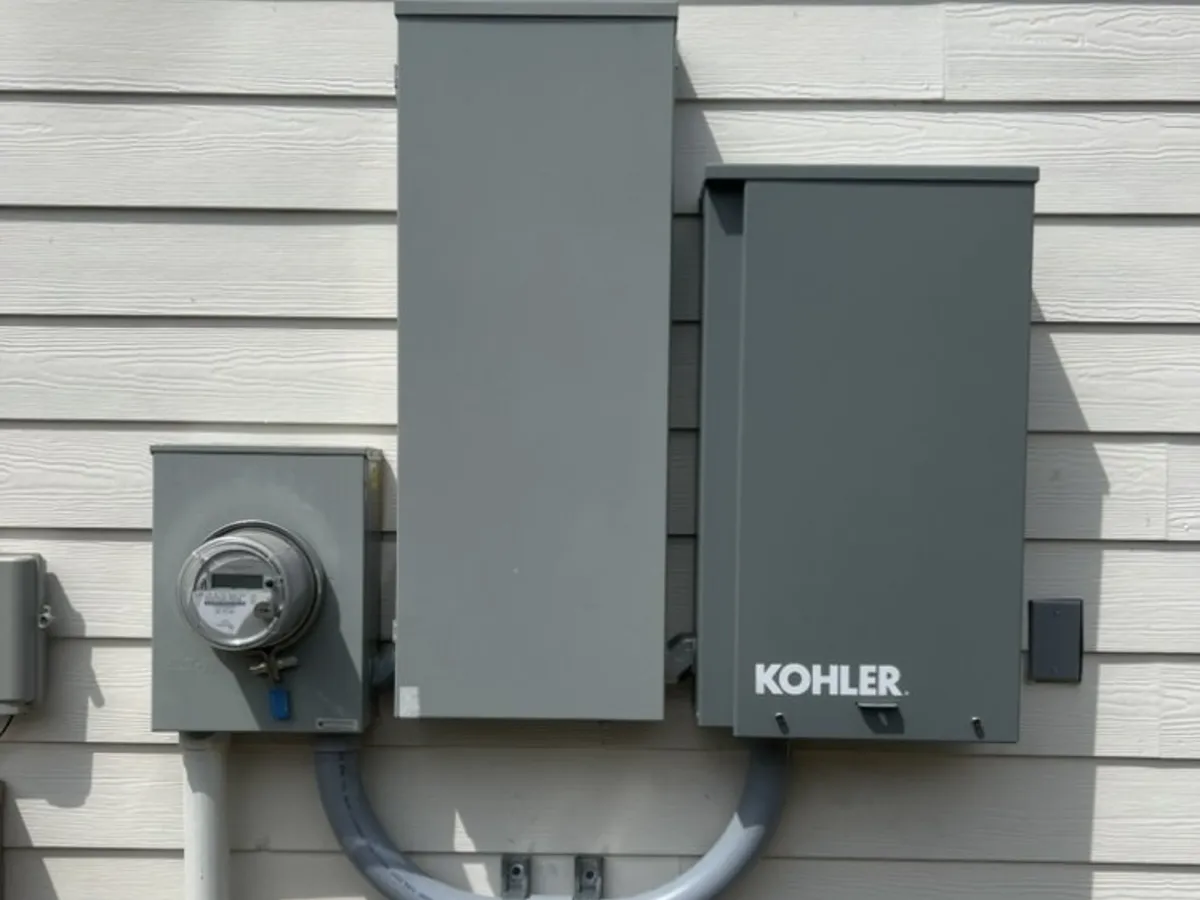
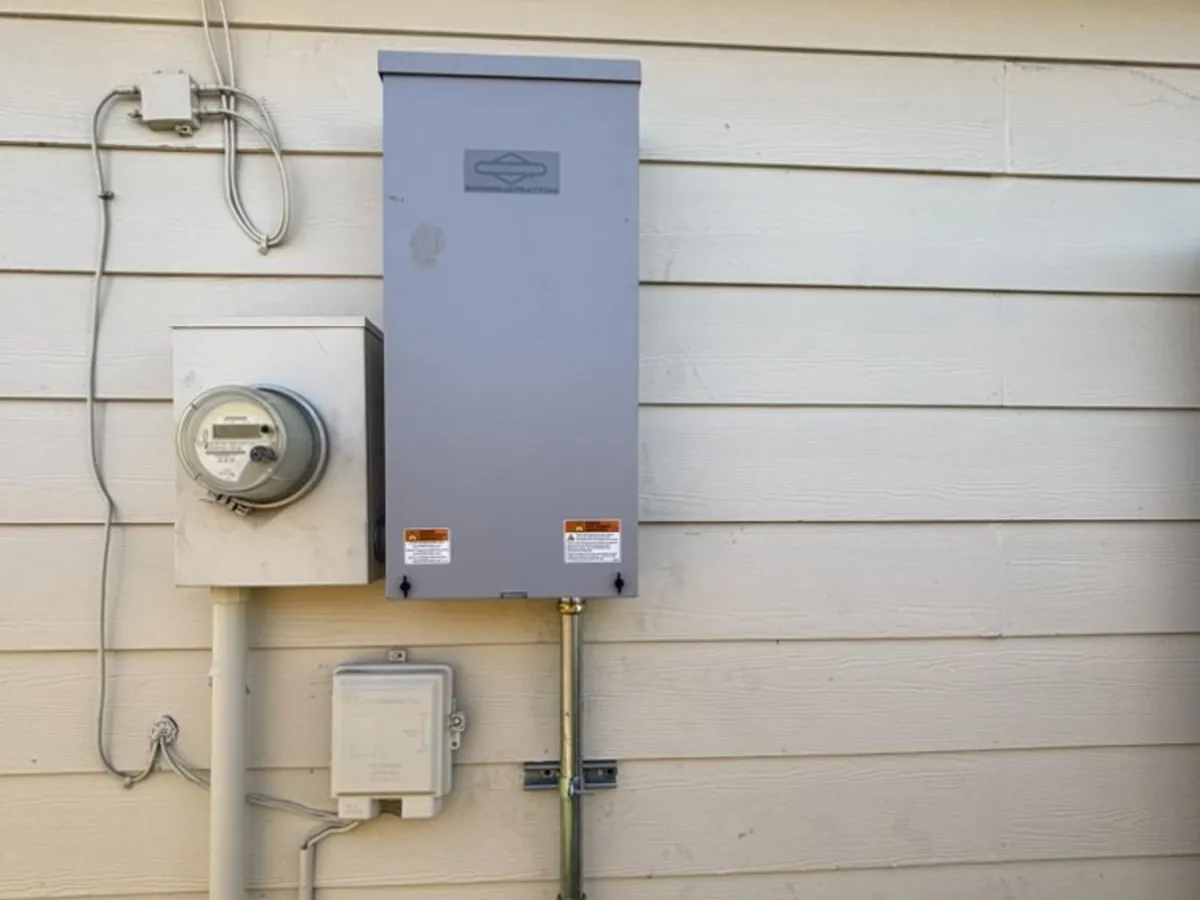
Recent Standby Generator Installation Projects in Lewisville
Real jobs our licensed team completed for Lewisville homes and businesses.
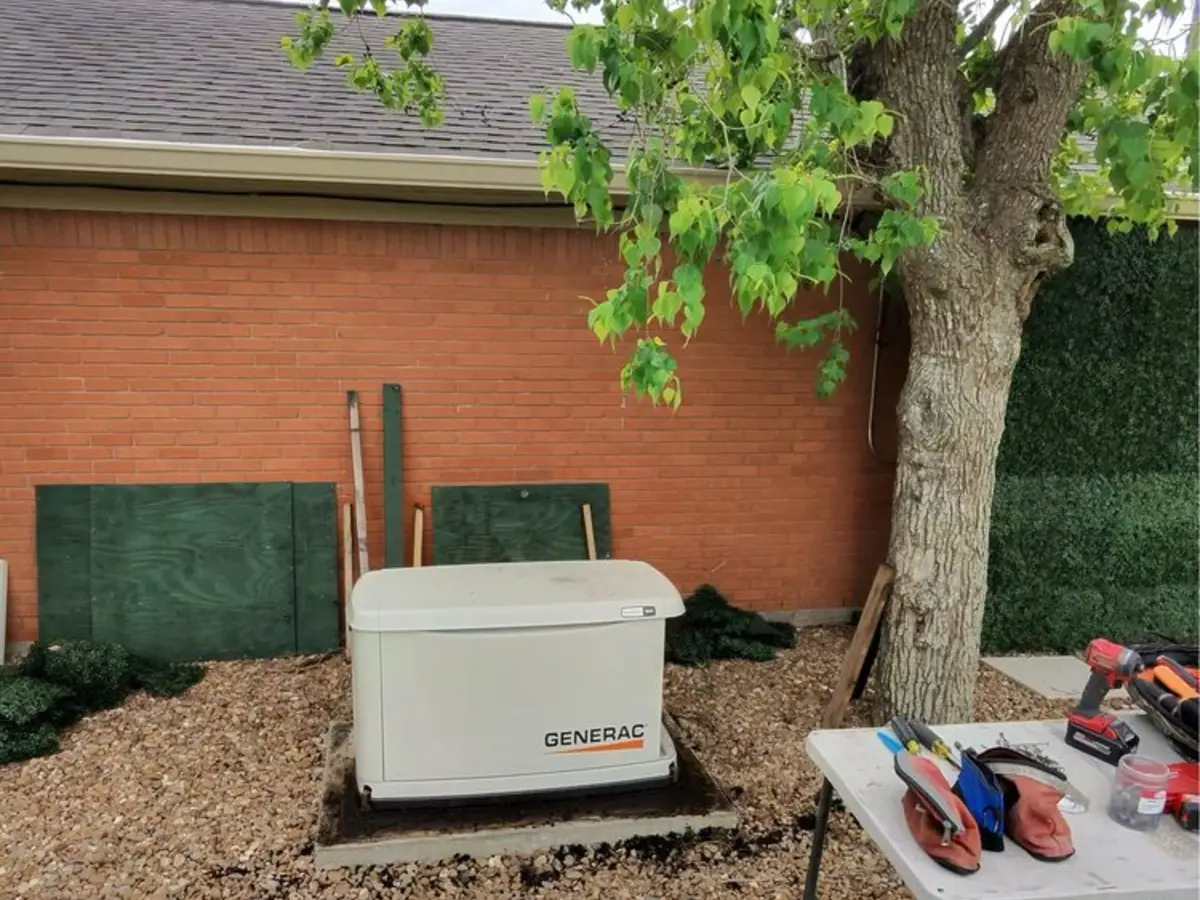
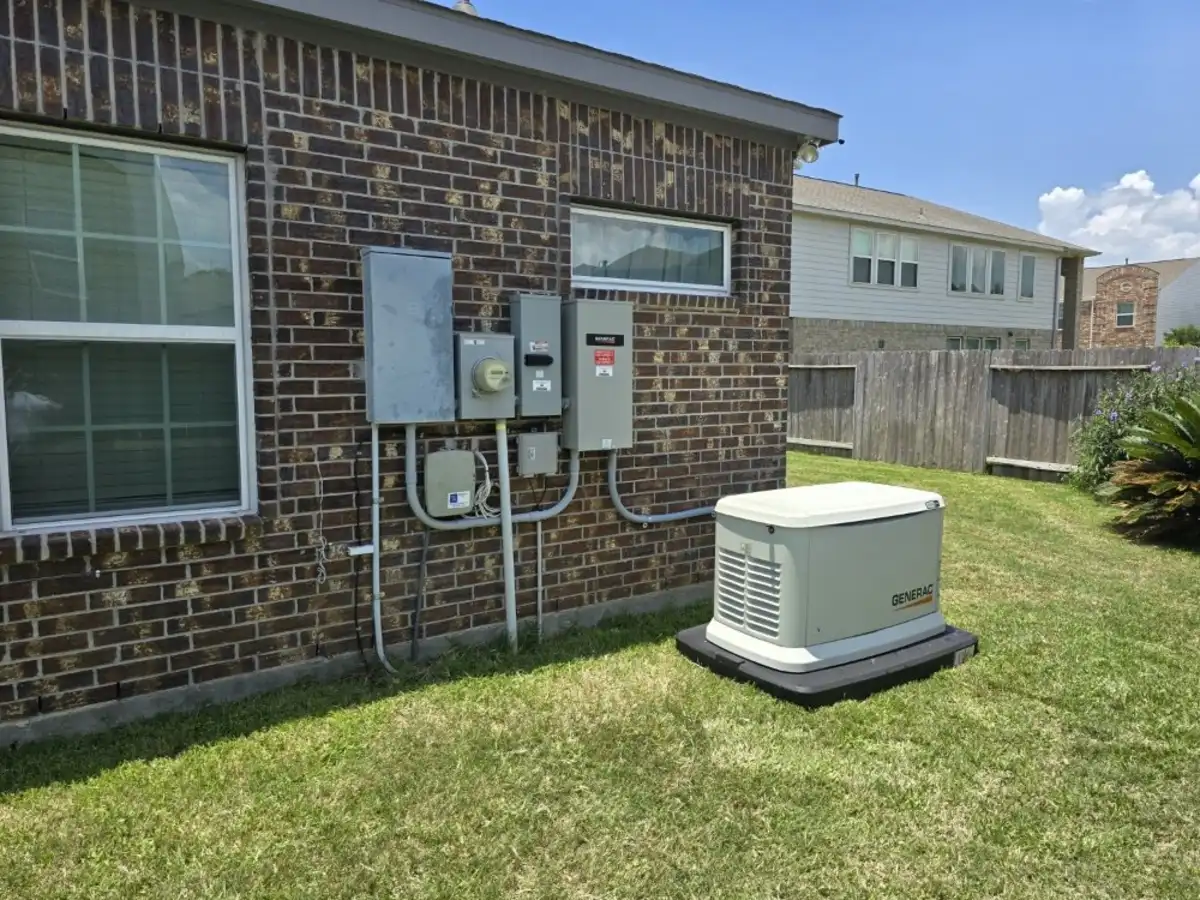
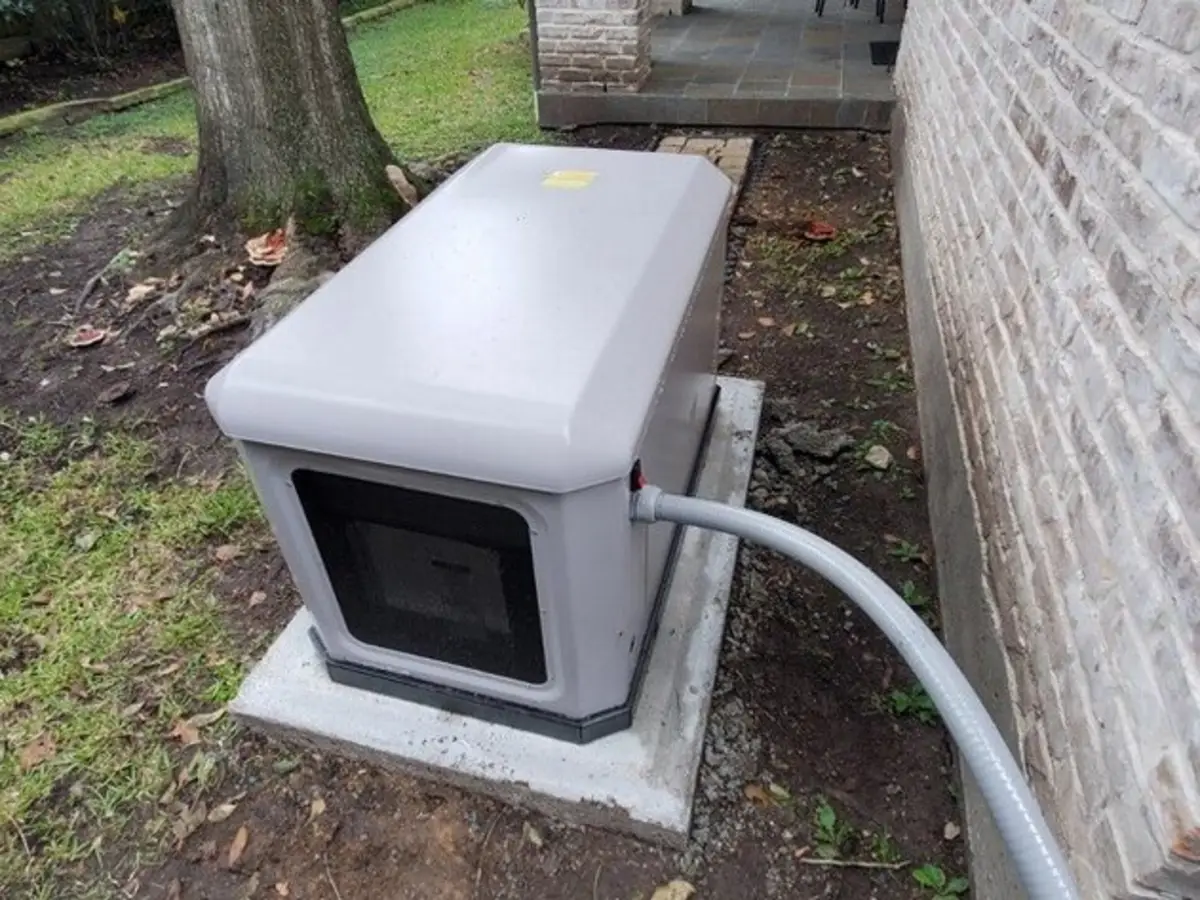
Why Lewisville Homeowners Choose Standby Power
North Texas sees ice storms, summer heat waves and strong spring thunderstorms. The February 2021 winter storm left many Denton County homes without power for days. A standby generator keeps heat, AC, refrigerators, medical devices, sump pumps and home offices running without you having to go outside and start anything.
Whole Home vs Essential Circuit Generators
Whole home systems are sized to run the entire house, including central AC. They use a service rated automatic transfer switch at the meter.
Essential circuit systems power a selected group of circuits such as the refrigerator, furnace fan, lights, internet and some outlets. They cost less and use a smaller generator.
We run a load calculation and talk through what you want running during an outage, then size the generator and transfer switch to match.
Need standby generator installation in Lewisville?
Our licensed electricians serve Lewisville and nearby Denton County.
Call us today to schedule electrical service.
Call Now (555) 555-0100What a Standby Generator Installation Includes
- Site visit and sizing. We pick a location that meets clearance rules from windows, doors and property lines.
- Clear price before work begins. Generator, transfer switch, pad, wiring and permits listed in writing.
- Permits. We pull the electrical permit through the City of Lewisville. Gas line work is done by a licensed plumber, and we coordinate the schedule.
- Installation. Pad, generator, automatic transfer switch and all wiring.
- Startup and test. We simulate an outage, confirm the transfer, and show you the exercise schedule and maintenance basics.
Automatic Transfer Switches
The transfer switch is what makes a standby system automatic and safe. It senses when grid power drops, starts the generator, and moves your home onto generator power. When utility power returns, it switches back and lets the generator cool down. It also prevents backfeed onto Oncor lines, which protects utility crews. We install service rated switches for whole home systems and load center switches for essential circuit systems.
Maintenance and Older Panels
Standby generators need yearly service, including oil, filters, battery and a load test. If your panel is older or near capacity, we may suggest a panel upgrade at the same time so the whole system is reliable. If you only need a portable generator connection, see our generator hookup and transfer switch service.
Standby Generator Installation FAQs
How long does a standby generator installation take?
Installation work usually takes one to two days. Permits, gas line scheduling and inspections add time before and after.
What size standby generator do I need?
It depends on what you want to run. Whole home systems with central AC often need 20 to 26 kW or more. Essential circuit systems are smaller. We size it with a load calculation.
Do you install the gas line?
Gas piping must be done by a licensed plumber. We coordinate with the plumber so the gas and electrical work fit together and pass inspection.
Will a standby generator run my AC?
A properly sized whole home generator can run central AC. Some systems use load management modules to start large loads in order.
Do I need a permit?
Yes. Standby generators need an electrical permit and inspection in Lewisville, and gas work needs its own permit.
Call us today for standby generator installation in Lewisville
Our licensed electricians serve Lewisville, Flower Mound, Highland Village, The Colony, Carrollton, Coppell and nearby Denton County.
Call Now (555) 555-0100